Overview – Why This Book Matters
Have you ever wondered why some businesses inspire unmatched loyalty, while others struggle despite having great products? Why Apple reshaped industries, why Martin Luther King Jr. mobilized a nation, or why some leaders build movements while others barely build teams?
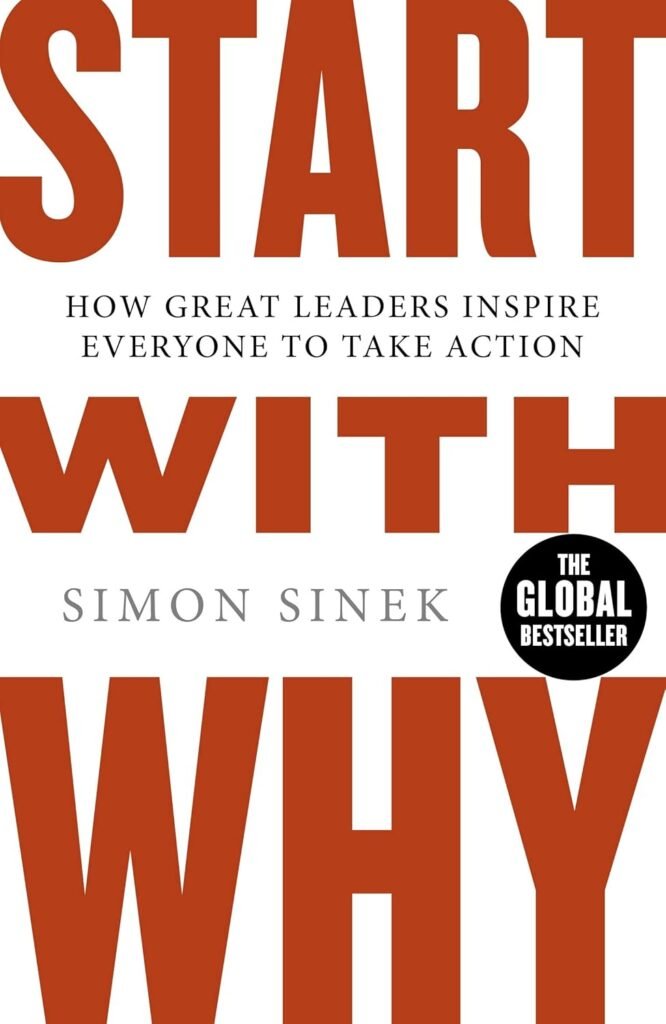
Simon Sinek answers these questions in his groundbreaking book Start with Why. The book introduces the Golden Circle model—a simple yet profound framework that explains why some leaders and organizations inspire while others manipulate.
This isn’t just a business book—it’s for entrepreneurs, corporate professionals, startup founders, educators, and anyone interested in self growth, leadership, and personal development. It teaches that people don’t buy what you do; they buy why you do it.
Key Concepts from Start with Why
Let’s dive into the major chapters and principles, along with real-life examples and practical lessons.
1. Assume You Know (Chapter 1)
Sinek warns us about the danger of assumptions. Many leaders assume customers buy because of features, price, or advertising tricks. But assumptions often mislead.
-
Type 1 Leadership: Manipulate outcomes using discounts, fear, or promotions.
-
Type 2 Leadership: Inspire by starting with why—the deeper purpose.
👉 Real-life example:
When Steve Jobs returned to Apple in 1997, the company was close to bankruptcy. Instead of competing on specs, Apple focused on a belief: “Think Different.” This why inspired customers, employees, and an entire industry.
Lesson: Don’t just assume people buy for logic—tap into emotion and purpose.
2. Carrots and Sticks (Chapter 2)
Two common ways to influence behavior:
-
Manipulation (Sticks): Discounts, fear-based ads, limited-time offers.
-
Inspiration (Carrots): A vision that resonates with human values.
👉 Real-life example:
Southwest Airlines doesn’t manipulate with low prices alone—it inspires with its belief in “democratizing the skies” and giving everyone the freedom to fly. Customers connect with the why, not just the price.
Lesson: Manipulation works short-term, inspiration lasts long-term.
3. The Golden Circle (Chapter 3)
The heart of the book:
-
Why: Your purpose, cause, or belief.
-
How: The process or values that set you apart.
-
What: The products or services you offer.
Most companies operate outside-in (start with what). Great leaders operate inside-out (start with why).
👉 Real-life example:
Apple’s Golden Circle:
-
Why: Challenge the status quo and empower individuals.
-
How: Beautiful, user-friendly design.
-
What: Computers, iPhones, iPads.
Lesson: Clarify your why first, then align your how and what.
4. Biology of Why (Chapter 4)
The Golden Circle mirrors our brain structure:
-
The limbic brain (controls feelings, trust, loyalty) corresponds to why.
-
The neocortex (rational thinking, language) corresponds to what.
This explains why people often say, “It just feels right.”
👉 Real-life example:
Tesla doesn’t just sell cars—it sells a mission: accelerating the world’s transition to sustainable energy. Customers don’t just buy electric cars—they buy into a vision.
Lesson: Inspire the limbic brain first. People follow belief before logic.
5. Clarity, Discipline, and Consistency (Chapter 5)
For the Golden Circle to work:
-
Clarity of Why – know your purpose.
-
Discipline of How – stay true to values.
-
Consistency of What – deliver products aligned with purpose.
👉 Real-life example:
Patagonia’s why is environmental responsibility. Its how is sustainable sourcing. Its what is high-quality outdoor gear. Every decision reflects this clarity, attracting loyal customers who share the same belief.
6. The Enemy of Trust (Chapter 6)
When companies chase competition instead of staying true to their why, they lose trust. Customers feel the difference.
👉 Real-life example:
Creative once launched an MP3 player with better specs than Apple’s iPod. But Creative focused on what—“5GB storage.” Apple focused on why—“1000 songs in your pocket.” Guess which one people loved?
7. The Law of Diffusion of Innovation (Chapter 7)
To reach mass adoption:
-
Innovators (2.5%)
-
Early Adopters (13.5%)
-
Early Majority (34%)
-
Late Majority (34%)
-
Laggards (16%)
You don’t need everyone—you need the right believers.
👉 Real-life example:
When WhatsApp launched, early adopters loved its simple, no-ads, free messaging. Word spread organically, reaching billions.
8–14: Sustaining the Why
-
Vision and Mission: Vision is why; mission is how.
-
Hiring: Hire for belief first, skills second.
-
When Why Goes Fuzzy: Walmart thrived under founder Sam Walton’s why of helping communities. After his death, they focused on profits, losing loyalty.
-
The New Competition: Don’t compete with others—compete with yourself to stay aligned with why.
Action Plan: How Readers Can Apply the Concepts
Here’s how you can bring Start with Why into your life and business:
-
Write Your Golden Circle
-
Why: Define your purpose.
-
How: Note your values.
-
What: List your offerings.
-
-
Test Every Decision Against Your Why
If it doesn’t align, say no. -
Inspire Instead of Manipulate
Replace discounts with storytelling. Share why your brand exists. -
Hire People Who Believe
Culture fit beats resume. -
Communicate Inside-Out
Always lead with why in pitches, presentations, and campaigns.
10 Biggest Takeaways from Start with Why
-
People don’t buy what you do; they buy why you do it.
-
Manipulations work short-term, inspiration lasts.
-
The Golden Circle (Why → How → What) is the blueprint of leadership.
-
Our brain responds emotionally to why, then rationalizes with what.
-
Clarity, discipline, and consistency build trust.
-
Competing with others erodes authenticity; compete with yourself.
-
Early adopters are key to tipping points.
-
Vision = Why, Mission = How.
-
Hire for belief, not just skills.
-
Losing your why is the beginning of decline.
Step-by-Step Guide to Applying Start with Why
-
Identify Your Why – Ask: Why do I get out of bed every morning?
-
Craft Your Story – Communicate purpose, not products.
-
Align How and What – Ensure processes and offerings reflect your purpose.
-
Market with Inspiration – Lead with values in campaigns.
-
Build a Belief-Driven Team – Hire people passionate about your vision.
-
Measure Loyalty, Not Just Sales – Repeat customers prove your why.
Lessons Learned
Simon Sinek teaches that success strategies aren’t about chasing money, but about inspiring trust and loyalty through purpose. Whether you’re an entrepreneur, leader, or seeking personal development, starting with why is the difference between short-lived success and a legacy that lives long.
Call to Action
Inspired by these lessons? Start with Why by Simon Sinek can transform the way you think about leadership, business, and personal growth.
Take the first step today—define your why, live by it, and let it guide your journey toward success.
🌐 Visit: wwmycashflowhub.com
📞 Contact: 885-511869
Disclaimer
This blog is a summary and commentary on Start with Why by Simon Sinek, created for educational and inspirational purposes. Readers are encouraged to explore the original book for complete insight