A Real, Raw Guide to Building a Startup Without Losing Yourself
Why Lost and Founder Matters (And Who It’s For)
Most startup books celebrate unicorn success stories. They talk about explosive growth, billion-dollar valuations, and overnight wins.
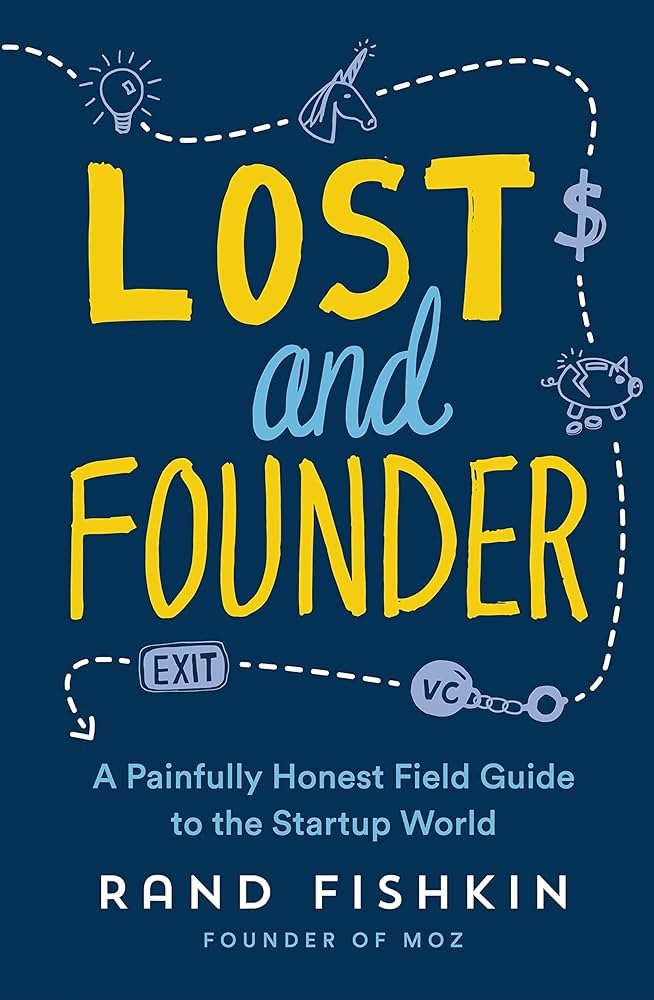
Lost and Founder by Rand Fishkin does the opposite.
It tells the truth.
Rand Fishkin—co-founder and former CEO of Moz—pulls back the curtain on what startup life really looks like: confusion, self-doubt, failed fundraising pitches, wrong decisions, emotional burnout, and painful lessons no one warns you about.
This book matters because it is written by someone who lived through the chaos, not just theorized about it. Rand didn’t just build a company—he survived one.
This book is for:
-
First-time entrepreneurs
-
Startup founders feeling lost or overwhelmed
-
Solopreneurs building SaaS, service, or product businesses
-
Creators trying to convert expertise into a scalable company
-
Anyone who wants long-term success without sacrificing values
If you’re tired of sugar-coated startup advice, this book is your compass.
The Heart of the Book: Startups Are Not Linear
One of the strongest themes running through Lost and Founder is this:
There is no straight path to startup success.
According to Rand Fishkin, startups are not about perfect execution. They are about:
-
Learning faster than others
-
Reducing risk early
-
Building trust before scaling
-
Making decisions aligned with values
Your handwritten notes emphasize this clearly—especially in the idea that startups are built by turning assumptions into tested facts
Key Concept 1: The Real Pathway to Entrepreneurial Success
Expertise → Network → Company
Rand Fishkin dismantles the myth that startups start with an idea.
Instead, they start with expertise.
Your notes clearly outline this powerful sequence:
Expertise → Network → Company
What this means in practice:
-
First, build deep knowledge in a specific domain
-
Use that knowledge to create trust and authority
-
Leverage relationships and audience before launching a product
Real-Life Example: Rand Fishkin (Moz)
Rand didn’t start Moz as a billion-dollar SaaS dream. He started by:
-
Writing SEO blog posts
-
Helping people for free
-
Building trust with marketers
Only later did Moz evolve into a product company.
Practical Tip:
Before launching anything, ask:
“What problem am I already trusted to solve?”
Key Concept 2: Reduce Risk by Building a List of Your First 100 Customers
Reduce risk by identifying and building a list of your first 100 customers
Most founders do the opposite:
-
Build product first
-
Market later
-
Hope customers appear
Rand argues this is backwards.
The Correct Order:
-
Identify your ideal customer
-
Build relationships
-
Validate the problem
-
THEN build the solution
Practical Implementation:
-
Create a simple landing page
-
Collect emails
-
Interview prospects
-
Ask what frustrates them
Real-Life Example: Early Moz Consulting
Before Moz became software, Rand ran SEO consulting. Each client conversation shaped future tools and features.
This eliminated guesswork.
Key Concept 3: MVP Is Not About Speed—It’s About Learning
Your notes highlight a critical misunderstanding around MVPs:
Customers expect quality—even in early versions
Rand clarifies:
-
MVP doesn’t mean cheap
-
MVP means focused
A Good MVP:
-
Solves one painful problem
-
Delivers clear value
-
Is simple, not sloppy
Practical Tip:
Ask customers:
-
“What’s missing?”
-
“What doesn’t make sense?”
-
“Would you pay for this?”
Learning > Launching.
Key Concept 4: Service vs Product Business—Choose Wisely
Product businesses scale better, service businesses build faster cash flow
Service Business:
-
Faster revenue
-
Harder to scale
-
Founder dependency
Product Business:
-
Slower start
-
Easier scaling
-
Higher valuation
Smart Strategy:
Many successful founders:
-
Start with services
-
Learn customer problems
-
Convert services into products
Rand did exactly this with Moz.
Key Concept 5: The Flywheel Beats the Funnel
Your handwritten notes mention the flywheel concept:
Marketing and revenue grow through compounding trust over time
Instead of chasing one-time sales:
-
Build content
-
Deliver value
-
Create repeat engagement
This long-term mindset reduces stress and builds durable companies.
Key Concept 6: Values Are Not Optional
One of the most emotional sections of Lost and Founder is about values.
Rand openly discusses:
-
Mental health struggles
-
Founder burnout
-
Pressure from investors
Your notes emphasize:
Values guide decisions, hiring, and growth
Lesson:
If success costs your peace, it’s too expensive.
Action Plan: How to Apply Lost and Founder in Real Life
Step 1: Build Expertise First
-
Write
-
Teach
-
Share
-
Help without selling
Step 2: Identify Your First 100 Customers
-
List real names
-
Talk to them weekly
-
Validate pain points
Step 3: Build a Focused MVP
-
Solve ONE problem
-
Charge early
-
Improve based on feedback
Step 4: Choose the Right Business Model
-
Service → Product (if scalable)
-
Don’t rush funding
Step 5: Protect Your Values
-
Say no to misaligned growth
-
Hire slowly
-
Build a culture early
Lessons Learned from Lost and Founder
-
Startups are emotional journeys
-
Expertise comes before products
-
Customers reduce risk
-
MVP is about learning, not speed
-
Service businesses teach faster
-
Funding is not success
-
Values matter more than valuation
-
Long-term thinking wins
-
Mental health matters
-
Honesty beats hype
Step-by-Step Practical Guide
-
Write weekly about your expertise
-
Build a list of 100 ideal customers
-
Interview them
-
Create a landing page
-
Launch a paid MVP
-
Collect feedback
-
Improve quality
-
Decide service vs product
-
Build flywheel content
-
Stay aligned with values
10 Key Takeaways from Lost and Founder
-
Expertise creates opportunity
-
Networks compound over time
-
Customers come before products
-
MVP ≠ low quality
-
Service models validate faster
-
Product models scale better
-
Flywheels beat funnels
-
Funding isn’t mandatory
-
Values prevent burnout
-
Success doesn’t have one definition
Final Call to Action
If this story resonated with you, don’t stop here.
📘 Read Lost and Founder by Rand Fishkin
✍️ Start building expertise today
🚀 Apply these lessons before you build your next idea
Because the real goal isn’t just building a startup—
it’s building one you don’t regret.