Overview: Why Shoe Dog Matters
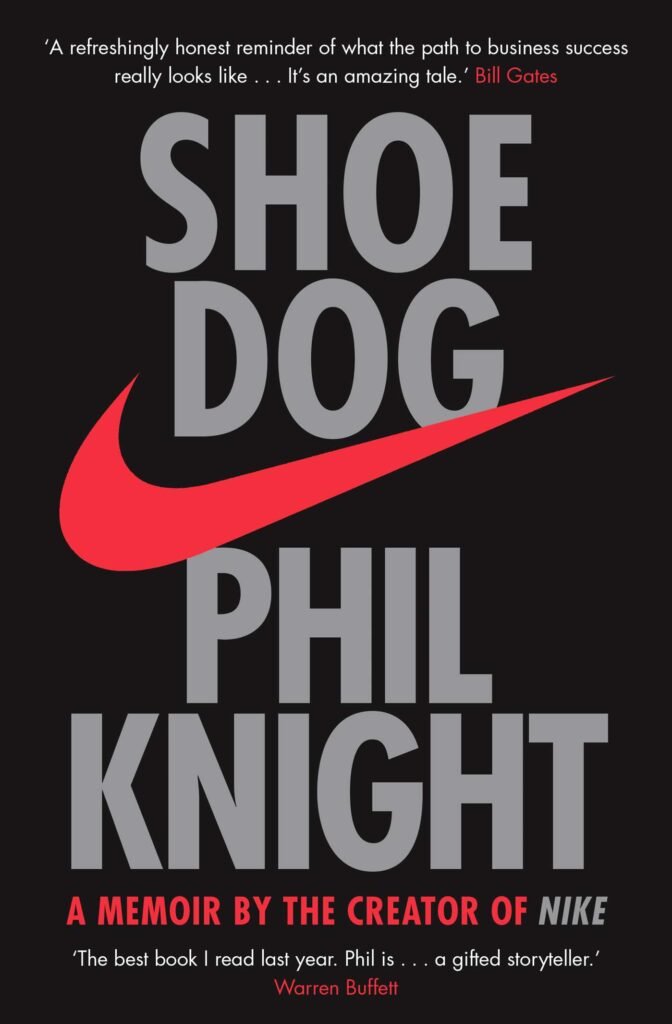
Some business books give frameworks. Others hand you motivational mantras. But Shoe Dog is different — it’s Phil Knight’s brutally honest memoir of building Nike from a risky idea into one of the world’s most iconic brands.
Why does this book matter?
-
Because it shows that entrepreneurship isn’t glamorous — it’s messy, terrifying, and full of setbacks.
-
Because Knight didn’t start with millions — he started with $50 borrowed from his father.
-
Because his story shows how belief, persistence, and strategy can turn a “crazy idea” into an empire.
This book isn’t just for entrepreneurs. It’s for anyone who wants to grow, lead, and live with courage.
Key Concepts from Shoe Dog
1. Crazy Ideas Can Change the World
Phil Knight’s “Crazy Idea” was simple: if Japanese cameras could disrupt the U.S. market, why not Japanese running shoes? On a trip to Japan, he approached Onitsuka (makers of Tiger shoes) and negotiated U.S. distribution rights under his fledgling company, Blue Ribbon Sports.
👉 Lesson for Entrepreneurs: Don’t dismiss wild ideas. Today’s impossibility may be tomorrow’s billion-dollar industry.
2. Start Small, Dream Big
His first order of shoes? Bought with $50 borrowed from his father. His first “office”? His parents’ basement. His first sales strategy? Selling shoes from the trunk of his car at running events.
👉 Lesson: Start where you are, with what you have. Action matters more than resources.
3. Build Partnerships and Trust
Phil’s coach, Bill Bowerman, not only believed in him but also became his partner. Bowerman experimented with shoe designs and innovations — even pouring rubber into a waffle iron to test soles. Later, employees like Jeff Johnson became more than staff; they became visionaries in their own right.
👉 Lesson: Find partners who share your passion. Trust them with freedom and creativity.
4. Face Rejection and Keep Going
Sporting goods stores often turned Phil away: “We don’t need another track shoe.” Instead of quitting, he pivoted — going directly to athletes, coaches, and fans at local track meets.
👉 Lesson: If doors don’t open, build your own entrance.
5. Take Risks — Boldly but Wisely
When Onitsuka threatened to cut ties, Phil took a massive risk: he and his team launched their own brand, Nike. Without risk, Nike would never have existed.
👉 Lesson: Calculated risks create opportunities. Playing safe rarely builds empires.
6. Numbers Matter — But Passion Matters More
Phil was often cash-strapped. Banks doubted him. Yet, he reinvested almost everything back into shoes, prioritizing innovation over short-term profit.
👉 Lesson: Chase excellence, not just numbers. Financials guide you, but passion sustains you.
7. Innovation Must Be Simple
Nike learned the hard way: too many features in one shoe confused customers. The winning products were simple, comfortable, and effective.
👉 Lesson: Innovation isn’t about cramming features; it’s about solving one problem really well.
8. Stay Calm Under Pressure
When Onitsuka pulled distribution, Nike faced collapse. Phil and his team stayed calm, regrouped, and built their own supply chain. That resilience birthed Nike as a standalone company.
👉 Lesson: When the odds stack against you, composure is your superpower.
9. Culture Is Crucial
Phil Knight empowered his team. Johnson created customer databases. Bowerman tinkered with designs. They all thrived because Phil didn’t micromanage — he set direction and gave freedom.
👉 Lesson: Leaders build culture, not cages. Trust your people.
10. Never Stop Running Toward the Dream
Phil Knight faced lawsuits, bankruptcies, betrayals, and doubts. But he kept running — literally and metaphorically. Nike became not just a company, but a symbol of endurance and victory.
👉 Lesson: Success is persistence in motion.
Real-Life Examples of Application
Example 1: An Indian Startup Story
An entrepreneur in Bengaluru read Shoe Dog and realized he didn’t need massive funding to start. Inspired by Phil Knight, he launched a sustainable footwear brand from his garage, selling via Instagram. Today, the brand ships across India.
Example 2: A Sales Professional’s Turnaround
A sales manager in Mumbai struggling with rejections used Knight’s lesson of “don’t wait for opportunity, create it.” Instead of waiting for inbound leads, he started hosting webinars and built trust directly with customers. Within a year, his sales grew 300%.
Action Plan: How You Can Apply Shoe Dog Lessons
-
Find Your Crazy Idea – Journal about one idea that excites and scares you.
-
Take the First Step – Even with limited money, create a pilot or test version.
-
Surround Yourself with Believers – Partner with those who bring complementary skills.
-
Treat Rejections as Data – If a door closes, ask why and pivot.
-
Build Trust – With customers, employees, and partners through honesty.
-
Focus on Simplicity – Don’t overcomplicate your product or service.
-
Reinvest in Growth – Put profits back into building, not just spending.
-
Create Culture, Not Control – Empower your team.
-
Stay Resilient – Challenges are inevitable — prepare to adapt.
-
Keep Running – Progress comes from persistence.
Lessons Learned & 10 Takeaways
-
Start small but dream big.
-
Bold ideas often look crazy at first.
-
Build strong, trust-based partnerships.
-
Rejections are not the end — they’re redirections.
-
Take risks, but calculate them.
-
Numbers guide, but passion drives.
-
Keep innovation simple.
-
Stay calm under crisis.
-
Company culture is your backbone.
-
Persistence wins races.
Step-by-Step Guide to Apply in Daily Life
-
Write down your “crazy idea.”
-
Break it into the smallest actionable step.
-
Share it with one trusted friend or partner.
-
Test it with a small audience.
-
Gather feedback.
-
Adjust, simplify, and relaunch.
-
Keep reinvesting energy and resources.
-
Build a small but passionate team.
-
Develop resilience habits (journaling, mindfulness).
-
Repeat daily until momentum compounds.
Conclusion & Call-to-Action
Phil Knight’s Shoe Dog isn’t just a memoir — it’s a playbook for anyone who wants to turn dreams into reality. His journey from selling shoes out of his car to building Nike proves that with courage, risk, and relentless persistence, you can achieve greatness.
👉 Inspired? Don’t just read the story — live it. Start your journey today.
Visit www.mycashflowhub.com or call 885-511869 to explore more entrepreneurial insights, tools, and strategies.
Disclaimer
This blog is a summary and analysis of Shoe Dog by Phil Knight for educational purposes. It is not a substitute for reading the original book.