Introduction: Why This Book Is a Game-Changer for Entrepreneurs
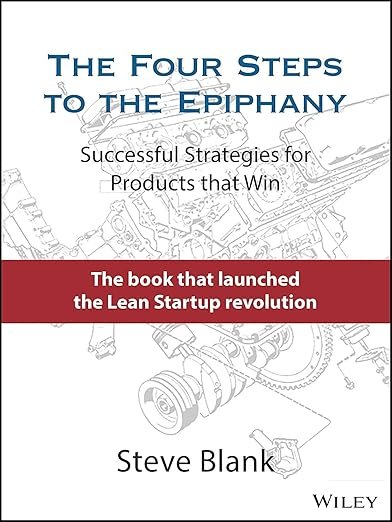
If you are an entrepreneur, startup founder, or someone dreaming of building a successful business, then the book The Four Steps to Epiphany by Steve Blank is not just a book — it’s a blueprint for survival and success.
Most startups fail not because they lack ideas, funding, or talent… but because they build something nobody actually wants.
Steve Blank flips the traditional startup model and introduces a powerful concept:
👉 “Don’t build first. Learn first.”
This book is the foundation of the Lean Startup movement and teaches you how to build businesses that customers actually need.
From your uploaded notes , we can clearly see the core message:
- Startups fail when they focus only on product
- Success comes from understanding customers first
- Continuous learning and feedback is the real growth engine
Let’s break it down into a powerful, actionable, and storytelling-driven guide.
🧠 Overview – Who Should Read This Book?
This book is perfect for:
- Entrepreneurs & startup founders
- Business owners struggling with growth
- Sales & marketing professionals
- Anyone interested in self growth and development
- People building startup business & social media brand building
👉 If you have ever asked:
- “Why is my idea not working?”
- “Why customers are not buying?”
- “How to build a successful startup?”
This book answers it all.
🔥 The Core Idea: Why Startups Fail
Traditional approach:
Build product → Launch → Market → Hope it works
Steve Blank says:
❌ Wrong approach
Correct approach:
Learn customers → Validate → Build → Scale
- Many startups fail because they focus only on product features
- They ignore customer needs
- They assume instead of validating
👉 This is the biggest mistake entrepreneurs make.
🧩 The Four Steps to Epiphany — Deep Dive
1️⃣ Customer Discovery – Find the Real Problem
This is the most important step.
👉 Ask:
- Who are my customers?
- What problem do they face?
- Is my solution valuable to them?
- Do not guess customer needs
- Go out and talk to real customers
- Validate problem before building
💡 Practical Tip:
- Interview at least 20–50 potential customers
- Focus on pain points, not your idea
2️⃣ Customer Validation – Can You Sell It?
Once you understand the problem, the next step is:
👉 Can customers actually pay for your solution?
- Develop a sales model
- Start selling early
- Founder must sell first (not hire sales team)
💡 Practical Tip:
- Try pre-selling your product
- If nobody buys → your idea needs change
3️⃣ Customer Creation – Build Demand
Now comes marketing and scaling.
- Create demand after validation
- Focus on acquiring customers strategically
- Marketing depends on market type
📊 4 Types of Markets :
- Existing market
- New market
- Re-segmented low-cost market
- Re-segmented niche market
💡 Practical Tip:
- Don’t scale ads until product-market fit
- Focus on early adopters first
4️⃣ Company Building – Scale Smartly
Once everything works:
👉 Build a structured company
- Transition from learning to execution
- Create teams, processes, and culture
- Define mission and vision
💡 Practical Tip:
- Build systems only after validation
- Don’t scale chaos
📖 Real-Life Examples of Success
💼 Example 1: Airbnb
Airbnb founders initially struggled.
Instead of scaling blindly, they:
- Talked to users
- Improved listing experience
- Focused on customer feedback
👉 Result:
- From struggling startup → Billion-dollar company
This perfectly reflects:
Customer Discovery + Validation
📱 Example 2: Dropbox
Dropbox didn’t build product first.
They:
- Created a simple demo video
- Tested demand
- Validated customer interest
👉 Result:
- Massive waiting list before launch
This shows:
Validation before building = success
⚡ Key Principles from the Book
1. Don’t Assume — Validate
Most founders assume they know customers.
👉 Reality: They don’t.
2. Product-Market Fit Is Everything
Without it, marketing is useless.
3. Fail Early, Learn Fast
Failure is not bad — ignorance is.
4. Customers > Product
Focus on people, not features.
5. Sales Comes Before Scaling
If you can’t sell, don’t scale.
🛠️ Action Plan – Apply in Real Life
Here’s how you can apply this book practically:
Step 1: Define Your Idea
- What problem are you solving?
Step 2: Talk to Customers
- Minimum 20 interviews
Step 3: Validate Demand
- Pre-sell or test interest
Step 4: Build MVP
- Simple version only
Step 5: Test Again
- Improve based on feedback
Step 6: Start Marketing
- Only after validation
Step 7: Scale Business
- Build team & systems
🧭 Step-by-Step Startup Blueprint
- Identify problem
- Define target customer
- Conduct interviews
- Validate solution
- Build MVP
- Test in market
- Create demand
- Scale operations
📚 Lessons Learned – Biggest Takeaways
- Ideas don’t matter — execution does
- Customers decide success, not founders
- Learning is more important than building
- Growth comes from understanding people
- Startups are experiments, not companies
🔟 10 Powerful Takeaways from the Book
- Startups are temporary organizations searching for a business model
- Don’t build product without customer validation
- Early adopters are key to success
- Feedback is more valuable than assumptions
- Sales is a learning process
- Focus on solving real problems
- Iterate continuously
- Marketing depends on market type
- Build team only after validation
- Success = Customer + Value + Timing
Final Call to Action
🚀 You don’t need a perfect idea…
You need the right process.
If you truly want to build a successful business:
👉 Stop guessing
👉 Start learning
👉 Talk to customers
👉 Validate before building
💡 The difference between failure and success is not luck —
It’s understanding your customer deeply.
👉 Start applying these principles today and transform your idea into a real business.