Why This Is Marketing Matters and Who This Book Is For
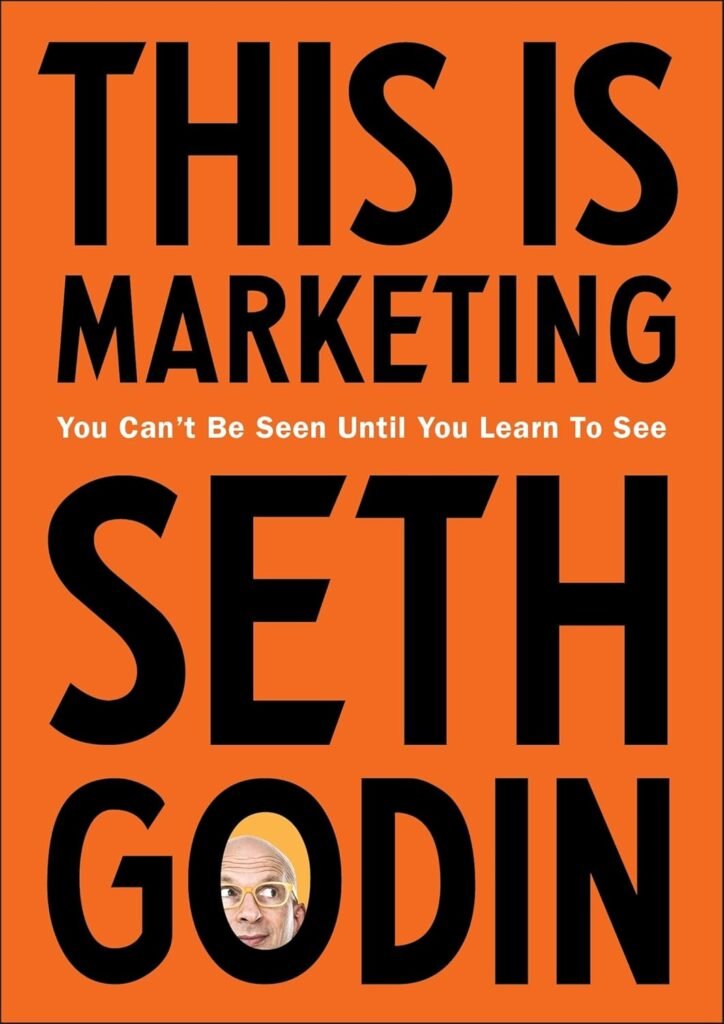
In a noisy world obsessed with ads, clicks, and shortcuts, This Is Marketing by Seth Godin arrives as a much-needed reset. This book is not about tricks, hacks, or going viral. Instead, it redefines marketing as a meaningful act of service — helping people solve problems they care deeply about.
Seth Godin clearly emphasizes that marketing is not about shouting louder, but about creating change
This book matters because traditional marketing no longer works the way it used to. People ignore ads. They skip commercials. They block pop-ups. What they don’t ignore is trust, relevance, empathy, and stories that resonate.
This book is ideal for:
Entrepreneurs and startup founders
Sales and marketing professionals
Social media and personal brand builders
Creators, bloggers, and solopreneurs
Anyone focused on self-growth and personal development
If you want to build something meaningful — a product, service, idea, or movement — This Is Marketing shows you how to do it ethically and effectively.
The Core Idea of This Is Marketing by Seth Godin
At the heart of the book lies one powerful truth:
Marketing is about making a difference for the smallest viable audience.
Your notes repeatedly stress that marketing is not manipulation. It is about understanding people, their fears, desires, and worldview — and then showing up consistently to help them move forward.
Seth Godin reframes marketing as:
Empathy over attention
Trust over traffic
Long-term impact over short-term tactics
Key Concepts & Principles from This Is Marketing (Deep Dive)
1. Marketing Is About Creating Change
Seth Godin begins by challenging a common myth: marketing is not advertising.
According to your notes, marketing is about creating change by helping people solve a problem they care about .
If your product or idea does not change someone’s life — even in a small way — it will not spread.
Practical Tip: Before promoting anything, ask:
“What change am I trying to make, and for whom?”
2. Start with the Smallest Viable Market
One of the most powerful lessons in the book is to stop chasing everyone.
Your handwritten notes highlight:
Tiny group
Smallest viable market
Focus beats scale
Trying to appeal to everyone leads to average messaging and weak positioning.
Real-Life Example: A fitness coach who targets “everyone who wants to be healthy” struggles. Another coach who targets “working professionals over 40 with back pain” builds trust quickly and grows faster.
Practical Tip: Define your audience so clearly that you can imagine speaking to one person.
3. People Don’t Buy Products — They Buy Stories and Belonging
Seth Godin emphasizes storytelling as a central pillar of modern marketing.
From your notes:
Tell a story people want to believe
Stories create emotional investment
People don’t buy features. They buy meaning, identity, and belonging.
Example: Nike doesn’t sell shoes. It sells status, identity, and belief in personal excellence.
Practical Tip: Your brand story should answer:
“Who is this for, and what does it say about them?”
4. Permission Marketing Beats Interruption Marketing
One of Seth Godin’s classic ideas, reinforced in this book, is permission marketing.
Your notes clearly state that permission marketing is the opposite of spam — it is about earning trust over time .
Examples include:
Blogs
Newsletters
Email lists
Community groups
Practical Tip: If people wouldn’t miss your emails if you stopped sending them, you haven’t earned permission yet.
5. Price Is a Story
Price is not just a number. It sends a message.
Your summary highlights that price is part of your positioning
Low price signals accessibility. High price signals status or exclusivity.
Example: Luxury brands charge more not because of cost — but because of perception and status.
6. Status Drives Behavior
Humans are social creatures.
Your notes mention that status is a primary driving force behind many buying decisions
People buy products that reinforce how they see themselves — or how they want to be seen.
Practical Tip: Ask:
“How does my product help someone signal who they are?”
7. Trust Is Built by Showing Up Consistently
Marketing is not a one-time campaign.
From your notes:
Show up regularly
Consistency builds belief
Trust compounds over time.
Two Real-Life Examples of Applying This Is Marketing
Example 1: Personal Brand on Social Media
A content creator stopped chasing viral trends and instead focused on helping a small group of freelancers improve pricing and confidence.
By speaking directly to their fears and sharing consistent, helpful content, the creator built a loyal audience and a profitable coaching business.
Example 2: Startup Growth Through Smallest Viable Market
A SaaS startup initially targeted “all small businesses.” Growth was slow.
After narrowing focus to “independent consultants managing client follow-ups,” messaging improved, conversions increased, and word-of-mouth followed.
Action Plan: How to Apply This Is Marketing in Real Life
Step 1: Decide the Change You Want to Make
What problem will you solve?
Step 2: Choose the Smallest Viable Market
Be specific. Be brave.
Step 3: Tell a Story That Resonates
Make people feel seen.
Step 4: Earn Permission
Build trust before selling.
Step 5: Show Up Consistently
Consistency beats intensity.
Lessons Learned from This Is Marketing
Marketing is service
Empathy beats attention
Small markets grow faster
Stories spread ideas
Trust compounds
Price tells a story
Status matters
Permission beats interruption
Consistency builds brands
Meaning outlasts tactics
Step-by-Step Guide for Beginners
Identify a real problem
Define a specific audience
Craft a clear story
Create valuable content
Build permission channels
Price intentionally
Measure trust, not vanity metrics
10 Key Takeaways from This Is Marketing by Seth Godin
Marketing is about change
Start small, grow strong
Serve before you sell
People buy meaning
Stories create belief
Permission creates loyalty
Status influences behavior
Price is positioning
Consistency builds trust
Marketing is a long game
Call to Action
Marketing isn’t about tricks. It’s about trust.
Apply the lessons from This Is Marketing by Seth Godin to build meaningful connections, serve your audience better, and create impact that lasts.
Start with one person. Tell a true story. Show up.
That’s how real marketing works.