Introduction: The Book That Fills the Biggest Gap in Education
What if everything you needed to succeed in life—money management, budgeting, investing, debt control—was never taught in school?
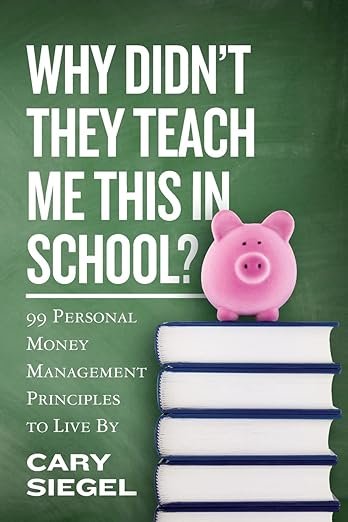
That’s exactly the gap “Why Didn’t They Teach Me This in School?” by Cary Siegel fills.
This book is not just another personal finance guide. It’s a practical life manual packed with 99 simple but powerful money lessons designed for students, professionals, entrepreneurs, and anyone who wants to master money early.
👉 the book emphasizes:
- Personal money management principles
- Real-life lessons from a retired business executive
- Focus on helping people of all ages manage money effectively
🎯 Overview: Why This Book Matters
This book matters because it addresses a harsh reality:
👉 Most people earn money… but don’t know how to manage it.
Who Should Read This?
- Students & freshers
- Entrepreneurs & startup founders
- Working professionals
- Anyone struggling with saving, investing, or debt
💡 Core Philosophy of the Book
The book revolves around one powerful idea:
👉 Financial success is not about how much you earn, but how you manage what you earn.
🔑 Key Concepts & Lessons (Deep Dive)
1. 💰 Live Below Your Means
👉 “Always live below your means (earn more, spend less)”
Explanation:
Most people increase spending as income increases. This is the biggest mistake.
Practical Tip:
- Save first, spend later
- Follow the 50-30-20 rule
2. 🎯 Set Financial Goals (Short & Long Term)
Types of Goals:
- Short-term: Emergency fund, vacation
- Long-term: House, retirement, child education
Practical Tip:
- Write goals with timelines
- Track progress monthly
3. 📊 Budgeting is the Foundation of Wealth
👉 “Develop a written budget and evaluate it every month”
Why it matters:
- You control money instead of money controlling you
Practical Tip:
- Track every expense
- Use apps or Excel
4. 💸 Save & Invest Early
👉 Save at least 10–15% of income
Why?
- Compounding works only with time
Example:
Invest ₹10,000/month for 20 years = massive wealth
5. 🚨 Build Emergency Fund
👉 “Maintain 3 to 6 months of expenses”
Why?
- Protects from job loss, medical emergencies
6. 🛑 Avoid Bad Debt
👉 “Debt is bad (except for education/business)”
Good Debt:
- Education
- Business
Bad Debt:
- Credit cards
- Luxury purchases
7. 🛍️ Smart Spending Habits
👉 Avoid impulse buying
👉 Don’t compare lifestyle
Practical Tip:
- Wait 24 hours before big purchases
8. 💳 Credit Card Discipline
👉 Pay full bill every month
👉 Maintain good credit score
Why?
- Helps in loans, financial credibility
9. 📈 Invest in Yourself
👉 “Spend time learning about personal finance”
Best Investment:
- Skills
- Knowledge
- Health
10. 🧠 Avoid Get-Rich-Quick Schemes
👉 “Don’t fall for quick rich schemes”
Reality:
- Wealth takes time
- Discipline beats shortcuts
📖 Real-Life Examples
🌟 Example 1: Rahul – From Salary to Stability
Rahul, a 25-year-old IT professional, was earning ₹60,000/month but saving nothing.
After applying the book principles:
- Started budgeting
- Saved 20% income
- Built emergency fund
👉 Within 2 years:
- ₹5 lakh savings
- Started mutual fund SIP
🌟 Example 2: Priya – From Debt to Freedom
Priya had ₹3 lakh credit card debt.
She applied:
- Snowball method
- Expense tracking
- No new debt rule
👉 Result:
- Debt-free in 18 months
- Started investing
🛠️ Action Plan (Apply Immediately)
Step 1: Track Your Expenses
- Write daily expenses
Step 2: Create Budget
- Fixed + variable expenses
Step 3: Start Saving
- Minimum 20%
Step 4: Build Emergency Fund
- 3–6 months
Step 5: Start Investing
- SIP in mutual funds
Step 6: Avoid Debt
- Use credit wisely
🎯 Step-by-Step Implementation Guide
- Open a savings account
- Create monthly budget
- Automate savings
- Invest in SIP
- Track net worth
- Increase income streams
📚 10 Powerful Takeaways
- Live below your means
- Budget every month
- Save before spending
- Build emergency fund
- Avoid bad debt
- Invest early
- Learn continuously
- Control spending habits
- Use credit wisely
- Stay disciplined
🎓 Lessons Learned
- Financial literacy is more important than degrees
- Small habits create big wealth
- Discipline beats income
📢 Call to Action
If this blog opened your eyes, imagine what applying these lessons can do for your life.
👉 Start today. Track your money. Save consistently. Invest wisely.
💡 Your financial future is created by the habits you build today.